.png)
The Ultimate Rental Property Maintenance Checklist for 2025
Owning a rental property is a powerful investment, but its profitability hinges on more than just collecting rent. Deferred maintenance is a silent drain on your returns, leading to costly emergency repairs, tenant turnover, and a decline in your asset's value. A proactive approach to upkeep is not an expense; it's a strategic investment in the long-term health and profitability of your property. This is where a detailed rental property maintenance checklist becomes an indispensable tool for any serious landlord or property manager.
This guide provides a comprehensive, actionable framework designed to simplify your maintenance routine. We've structured this checklist to be practical and easy to implement, breaking down crucial tasks by frequency: monthly, quarterly, seasonal, and annually. It also includes specialized checklists for critical events like tenant move-ins and move-outs, ensuring a smooth transition and protecting your investment at every stage.
Inside, you will find specific, actionable steps covering everything from interior systems like HVAC and plumbing to critical exterior components such as siding, windows, and gutters. We provide estimated time and cost ranges to help with budgeting and planning, alongside clear guidance on when to tackle a task yourself versus when to call in a professional. With a special focus on considerations for properties in Upstate South Carolina, this checklist is your roadmap to preventing problems before they start, ensuring tenant safety and satisfaction, and ultimately, maximizing your return on investment. Let's dive into the system that will keep your property in prime condition.
1. HVAC System Inspection and Filter Replacement
A functional HVAC (Heating, Ventilation, and Air Conditioning) system is non-negotiable for tenant satisfaction and property preservation. This essential task on your rental property maintenance checklist involves more than just swapping out a filter; it's a comprehensive check-up that prevents catastrophic failures, lowers utility bills, and ensures your property remains a comfortable, desirable place to live. Neglecting the HVAC system is a direct path to emergency calls on the coldest winter night or hottest summer day, resulting in costly repairs and unhappy tenants.
Why It's a Top Priority
Regular HVAC maintenance is a proactive investment. In hot, humid climates like Upstate South Carolina, an overtaxed and under-maintained AC unit is one of the most common sources of tenant complaints. A well-serviced system operates more efficiently, which can significantly reduce energy consumption and lower utility costs, a benefit you can pass on or use to justify rental rates. Furthermore, maintaining detailed service records is often a requirement for keeping the manufacturer's warranty valid, protecting you from footing the entire bill for a major component failure.
Actionable Implementation Plan
Follow a structured approach to keep your HVAC systems in peak condition:
- Filter Replacement (Every 1-3 Months): This is the most frequent and critical task. Clogged filters restrict airflow, forcing the system to work harder, which increases energy use and component wear.
- Seasonal Professional Tune-Ups (Twice a Year): Schedule a licensed HVAC technician to perform a full inspection in the spring (before AC season) and fall (before heating season). This service should include cleaning condenser and evaporator coils, checking refrigerant levels, inspecting ductwork for leaks, and testing electrical connections.
- Tenant Communication: Provide tenants with a schedule for filter changes and professional servicing well in advance. Some landlords include a clause in the lease making tenants responsible for filter changes, but it's often more reliable for the property manager to handle it.
Pro Tip: Consider enrolling in a maintenance contract with a local HVAC provider. These plans often offer discounted rates, priority service for emergency calls, and automated scheduling, taking the guesswork out of your maintenance routine.
2. Plumbing System Checks and Leak Detection
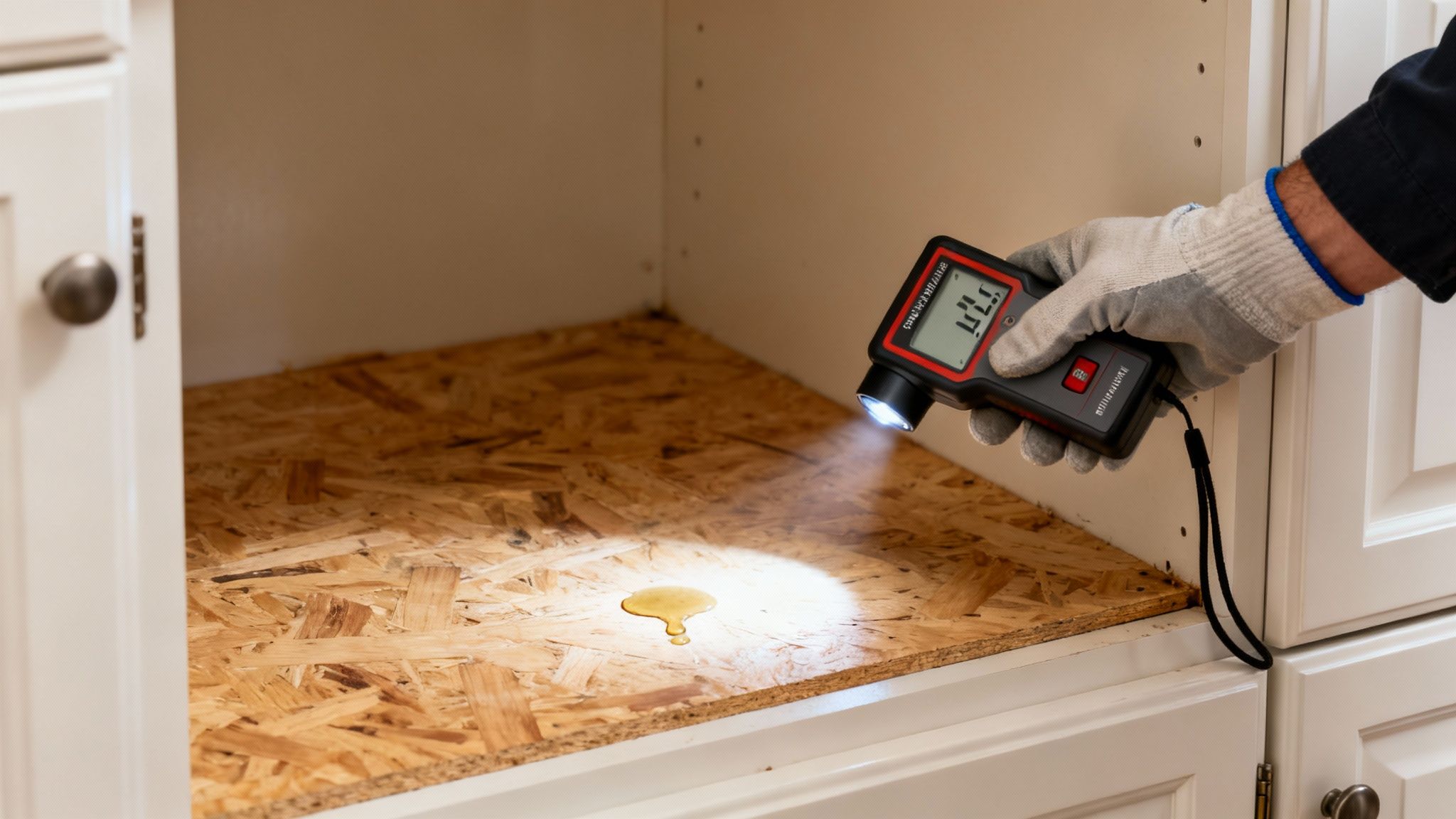
A silent leak can cause more structural damage and financial devastation than almost any other maintenance issue. Proactive plumbing inspections are a cornerstone of any effective rental property maintenance checklist, designed to prevent catastrophic water damage, conserve water, and ensure tenants have a reliable supply. A small drip under a sink or a constantly running toilet can quickly escalate into rotted subfloors, widespread mold, and enormous repair bills, making early detection an essential cost-saving measure.
Why It's a Top Priority
Beyond the obvious risk of water damage, regular plumbing checks protect your investment and your bottom line. Insurance providers often offer premium discounts for properties with documented maintenance records and proactive measures like smart leak detectors. Some major property management firms have even reported a 40% reduction in water damage claims after implementing flood detection systems. Furthermore, identifying and fixing leaks helps control utility costs, a crucial factor whether you or the tenant pays the water bill.
Actionable Implementation Plan
Incorporate these systematic checks into your routine to keep your property's plumbing in excellent condition:
- Quarterly Visual Inspections: During routine property visits, visually inspect under all sinks for drips or signs of moisture. Check the base of toilets for leaks, listen for running water, and test all faucets and showerheads for proper function and pressure.
- Annual Professional Review: Once a year, have a licensed plumber inspect the entire system. This should include checking the water heater, inspecting visible pipes for corrosion, testing the sump pump, and clearing slow drains to prevent major clogs.
- Tenant Education: Equip your tenants to be your first line of defense. Show them where the main water shut-off valve is located and provide clear instructions on how to identify and report potential leaks, such as musty odors, water stains on ceilings, or unusually high water bills.
Pro Tip: Invest in smart water leak detectors and place them in high-risk areas like behind toilets, under sinks, and near the water heater. These devices send an alert directly to your smartphone at the first sign of moisture, allowing you to act before significant damage occurs.
3. Electrical System Safety Inspection
A safe and reliable electrical system is a fundamental component of a habitable property and a critical liability shield for landlords. This task on your rental property maintenance checklist goes far beyond ensuring the lights turn on; it involves a systematic inspection to prevent fire hazards, ensure code compliance, and protect tenants from injury. Overlooked electrical issues are a leading cause of residential fires, making this a non-negotiable inspection that safeguards both your tenants and your investment.
Why It's a Top Priority
Faulty wiring and overloaded circuits are silent threats that can lead to catastrophic consequences. The National Fire Protection Association (NFPA) attributes a significant number of home structure fires to electrical failures or malfunctions. Performing regular, documented inspections provides legal protection against negligence claims and can prevent costly, and potentially tragic, incidents. For landlords in Upstate South Carolina, maintaining an up-to-code electrical system is essential for securing insurance and avoiding municipal fines.
Actionable Implementation Plan
Incorporate a proactive electrical safety protocol into your management routine:
- Professional Inspection (Every 3-5 Years): Hire a certified electrician to conduct a comprehensive inspection of the entire system. This includes checking the main electrical panel, testing circuit breakers, inspecting visible wiring for damage, and verifying proper grounding.
- GFCI Outlet Testing (Monthly or Quarterly): Ground Fault Circuit Interrupter (GFCI) outlets are life-saving devices required in areas near water, like kitchens and bathrooms. Test them regularly using the built-in "test" and "reset" buttons to ensure they are functioning correctly.
- Tenant Education: Instruct tenants on how to identify signs of electrical problems, such as flickering lights, frequently tripped breakers, or warm outlets. Encourage them to report these issues immediately and not to overload circuits with too many high-power devices.
Pro Tip: Always keep meticulous records of all electrical inspections, repairs, and upgrades. This documentation is invaluable for demonstrating due diligence, managing liability, and can be a key asset if you ever decide to sell the property.
4. Roof Inspection and Maintenance
Your property's roof is its first line of defense against the elements, making its upkeep a critical component of any comprehensive rental property maintenance checklist. Proactive roof inspection and maintenance are essential for protecting the entire structure from costly water damage, preserving the property's value, and ensuring tenant safety. Neglecting the roof can lead to insidious leaks that damage ceilings, walls, and foundations, turning a minor issue into a major, expensive catastrophe that could have easily been prevented.
Why It's a Top Priority
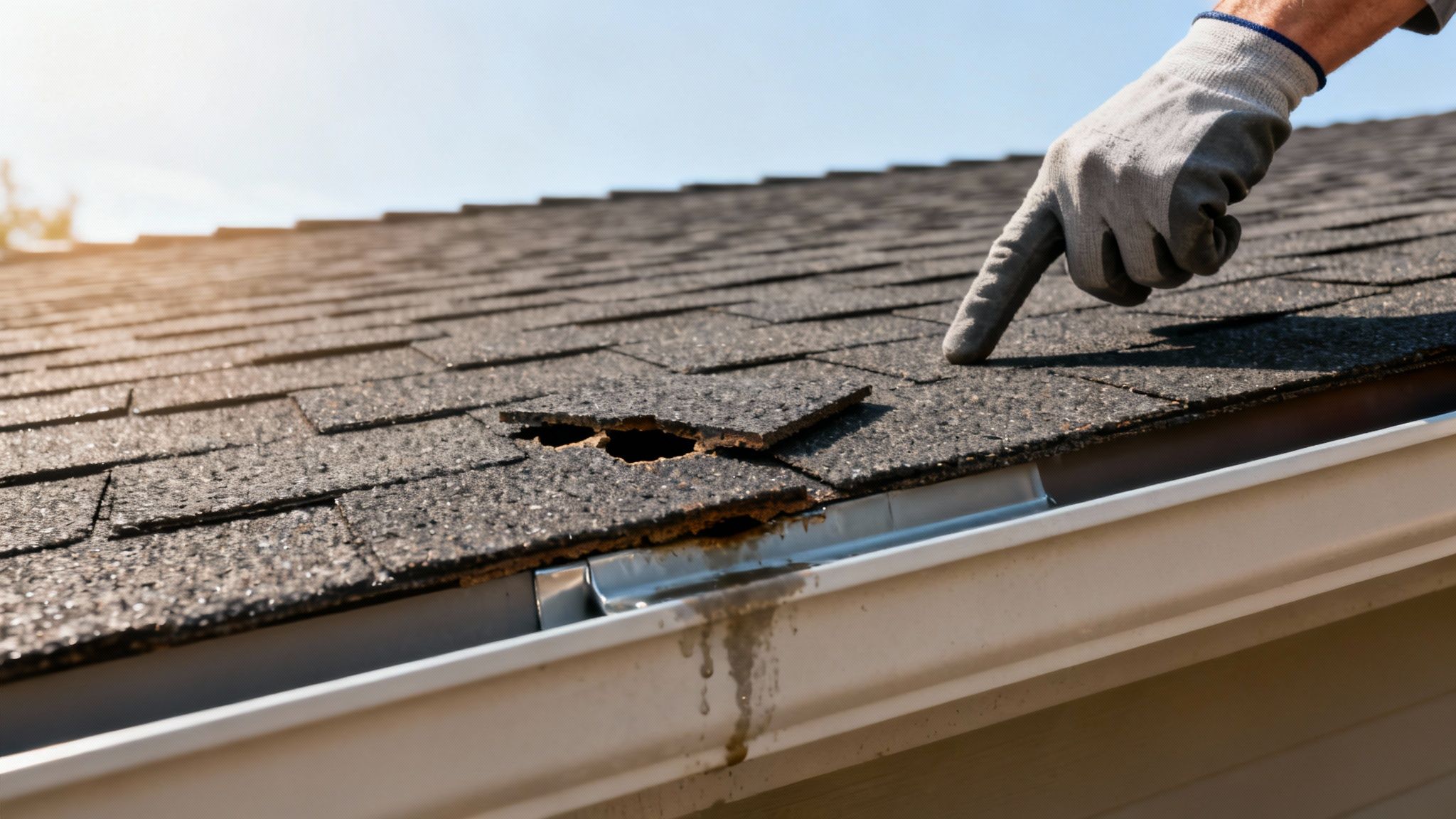
A well-maintained roof is a powerful asset. Major manufacturers like GAF and Owens Corning often require annual professional inspections to keep material warranties valid, protecting you from the full cost of premature failure. Furthermore, many insurance providers require documented proof of regular maintenance to approve claims related to storm damage. By identifying and addressing small issues like missing shingles, damaged flashing, or moss growth early, you prevent widespread interior damage and extend the roof's lifespan by years, if not decades.
Actionable Implementation Plan
Integrate a systematic roof care routine into your property management schedule:
- Schedule Biannual Inspections (Spring & Fall): Perform a thorough visual inspection from the ground each spring and fall to assess any damage from winter storms or summer heat. Look for curled, missing, or cracked shingles and check for granules accumulating in the gutters.
- Clear Gutters and Downspouts (Quarterly): Clogged gutters are a primary cause of roof and foundation damage. Water backup can seep under shingles and rot the roof deck. Ensure gutters are cleared quarterly to maintain proper drainage. For expert guidance, you can learn more about how to clean gutters safely on our blog.
- Professional Assessment (Annually): Hire a qualified roofing contractor like Atomic Exteriors for an annual inspection. Professionals can safely identify issues not visible from the ground, such as soft spots in the decking or compromised vent seals, ensuring warranty compliance.
- Trim Overhanging Branches: Keep tree limbs trimmed back from the roofline to prevent scraping damage during high winds and to reduce the accumulation of leaves and other debris.
Pro Tip: Document every inspection, repair, and professional service with photos and receipts. This detailed log is invaluable for insurance claims, warranty validation, and demonstrating diligent property care if you decide to sell the property.
5. Flooring and Carpet Inspection and Cleaning
The condition of your property's flooring is one of the first things a prospective tenant notices and a constant factor in their daily comfort. A dedicated flooring and carpet care plan on your rental property maintenance checklist does more than just keep things looking good; it preserves your investment, extends the lifespan of expensive materials, and maintains a sanitary living environment. Ignoring flooring leads to premature wear, permanent stains, and potential health concerns, ultimately devaluing your property and leading to costly replacements.
Why It's a Top Priority
Well-maintained floors directly impact tenant satisfaction and retention. Clean, fresh-smelling carpets and gleaming hard floors contribute significantly to a tenant's perception of a clean and well-cared-for home. From a financial perspective, proactive care prevents small issues like spills or scuffs from becoming permanent damage that requires a full replacement. Documenting the flooring condition with photos and notes during routine inspections is also crucial for fairly and legally handling security deposit deductions for damages that go beyond normal wear and tear.
Actionable Implementation Plan
Incorporate a multi-faceted approach to flooring maintenance for the best results:
- Routine Inspections (Quarterly): During quarterly property checks, specifically look for new stains, deep scratches, loose tiles, or areas of excessive wear in high-traffic zones like hallways and entryways.
- Professional Deep Cleaning (Annually/Turnover): Schedule a professional carpet cleaning at least once a year and always between tenants. For hard surfaces like tile, a professional grout and tile cleaning can restore the original look and hygiene.
- Tenant Education: Provide tenants with care instructions specific to the flooring type. Suggest the use of area rugs in high-traffic areas and provide felt pads for furniture legs to prevent scratches on hardwood or vinyl plank flooring.
Pro Tip: Build a relationship with a professional cleaning company like SERVPRO or a trusted local vendor. They often offer discounted maintenance plans for landlords, ensuring consistent, high-quality cleaning between tenancies and helping you turn over units faster.
6. Interior Wall and Paint Maintenance
The condition of your property's interior walls and paint directly impacts tenant perception and the overall value of your asset. This crucial part of your rental property maintenance checklist involves more than just aesthetics; it's about proactively identifying moisture issues, preventing mold, and maintaining structural integrity. Scuffed, stained, or peeling walls can make a unit feel neglected and lead to higher tenant turnover, while a fresh coat of paint remains one of the most cost-effective upgrades you can make.
Why It's a Top Priority
Well-maintained walls are a sign of a well-cared-for property, which boosts tenant satisfaction and retention. Regular inspections can reveal early signs of water leaks from roofs, plumbing, or even issues with exterior siding, allowing you to address the root cause before major damage occurs. Documenting these checks can also be valuable for insurance purposes, especially concerning mold prevention. A clean, uniform paint job between tenancies is essential for attracting high-quality applicants and securing top rental rates.
Actionable Implementation Plan
Incorporate a systematic approach to wall and paint care into your property management routine:
- Standardize Your Paint (Always): Use the same neutral, high-quality paint color and finish (satin or semi-gloss are durable and washable) across all your properties. Keep detailed records of the brand, color code, and finish for quick and perfectly matched touch-ups.
- Conduct Thorough Move-Out Inspections: Check every wall for damage beyond normal wear and tear, such as large holes, deep scratches, or unauthorized paint colors. Document everything with photos to support any security deposit deductions.
- Schedule Full Repaints (Between Tenants): While touch-ups work for minor scuffs, a full repaint every 3-5 years or between long-term tenancies presents a fresh, clean slate for the new resident. This is a powerful marketing tool.
- Address Water Stains Immediately: A water stain is a red flag. Immediately investigate the source-whether it's a plumbing leak or an exterior issue. Proper siding and gutter function are critical first lines of defense; learn more about protecting your building's exterior here.
Pro Tip: Educate tenants on the importance of using exhaust fans in bathrooms and kitchens to prevent moisture buildup and potential mold growth. Include a clause in your lease agreement regarding reporting any signs of water intrusion or leaks immediately.
7. Appliance Maintenance and Functionality Testing
Functioning appliances are a cornerstone of a habitable rental property, and their failure is one of the quickest ways to receive a frustrated call from a tenant. This crucial item on your rental property maintenance checklist involves proactively testing and servicing everything from the refrigerator to the clothes dryer. Regular checks prevent minor issues from becoming expensive emergencies, extend the lifespan of your assets, and uphold your reputation as a responsive landlord.
Why It's a Top Priority
A broken dishwasher or faulty oven isn't just an inconvenience; it can be a breach of the lease agreement if appliances are included. Proactive maintenance minimizes tenant turnover caused by dissatisfaction with property amenities. Furthermore, well-maintained appliances operate more efficiently, potentially lowering utility bills passed on to tenants. Documenting regular service also helps when budgeting for inevitable replacements, as you can better predict the lifespan of each unit and avoid unexpected capital expenditures.
Actionable Implementation Plan
Adopt a systematic approach to appliance care to ensure everything runs smoothly:
- Move-In/Move-Out Testing: Before a new tenant moves in, test every function of every appliance and document its condition with photos. Repeat this process at move-out to identify any tenant-caused damage versus normal wear and tear.
- Annual Professional Service: For major appliances like refrigerators, dishwashers, and HVAC-connected units, schedule a professional check-up annually to clean coils, check connections, and identify potential failures before they happen.
- Tenant Education: Provide tenants with simple guidelines for proper appliance use, such as cleaning the dryer lint trap after each use, not overloading the washing machine, and reporting unusual noises immediately.
- Documentation: Keep all warranty information, manufacturer manuals, and service records in an organized digital folder for quick access.
Pro Tip: Budget for appliance replacement by setting aside funds annually. Most standard rental-grade appliances have a lifespan of 8-15 years. Knowing the installation date of each unit helps you anticipate and plan for this significant expense.
8. Exterior and Foundation Assessment
The exterior of your rental property is its first line of defense against the elements, pests, and structural degradation. This crucial item on your rental property maintenance checklist involves a detailed inspection of everything from the foundation to the siding. Proactively assessing the building's envelope prevents water intrusion, pest infestations, and costly structural damage, preserving the property's value and ensuring long-term tenantability. A compromised exterior can lead to hidden issues like mold, rot, and energy loss that escalate into major expenses if ignored.
Why It's a Top Priority
A sound exterior directly impacts the property's integrity and operational costs. In regions like Upstate South Carolina, which experience heavy rains and humidity, even small cracks in the foundation or gaps in siding can invite significant water damage. Regular inspections help identify these vulnerabilities early. Furthermore, a well-maintained exterior boosts curb appeal, attracting higher-quality tenants and justifying competitive rental rates. Neglecting these checks can lead to serious structural repairs that far exceed the cost of routine preventative maintenance.
Actionable Implementation Plan
Incorporate a systematic exterior and foundation review into your annual or semi-annual maintenance schedule:
- Foundation Inspection: After significant weather events like heavy rain or freeze-thaw cycles, walk the perimeter and look for new or expanding cracks. Ensure the ground slopes away from the foundation (at least six inches over ten feet) to prevent water pooling.
- Siding and Wall Check: Examine siding for cracks, warping, or loose panels. Check for gaps around windows, doors, and utility penetrations. Caulk and seal these areas to block moisture and pests.
- Pest Entry Point Scan: Trim all vegetation at least 6-12 inches away from the walls. Look for and seal any holes or gaps where rodents or insects could enter.
- Drainage System Integrity: Confirm that gutters and downspouts are clear and directing water far away from the foundation. This is critical for preventing soil erosion and foundation pressure.
Pro Tip: Pair your exterior assessment with a gutter check. Clogged or damaged gutters are a primary cause of foundation and siding damage. Properly functioning drainage is essential for protecting your entire exterior system. To understand the importance of this, you can learn more about how a professional gutter system safeguards your property.
9. Fire Safety and Emergency System Testing
Ensuring robust fire safety and emergency systems are functional is a non-negotiable legal and moral responsibility for any landlord. This critical entry on your rental property maintenance checklist goes beyond basic compliance; it's about actively protecting your tenants' lives and your investment from catastrophic loss. Regular testing of smoke alarms, carbon monoxide detectors, and fire extinguishers is mandated by law in most jurisdictions and is a cornerstone of responsible property management.
Why It's a Top Priority
Neglecting fire safety exposes you to severe liability, potential fines from local fire departments, and the risk of insurance claims being denied. Major insurance carriers and organizations like the National Fire Protection Association (NFPA) set clear standards that, if unmet, can have devastating consequences. Documenting every test, battery replacement, and inspection creates a verifiable record of due diligence that protects you legally and ensures your tenants feel secure in their home. This proactive approach prevents tragedies and reinforces your reputation as a conscientious landlord.
Actionable Implementation Plan
Incorporate these systematic checks into your routine to maintain a safe environment:
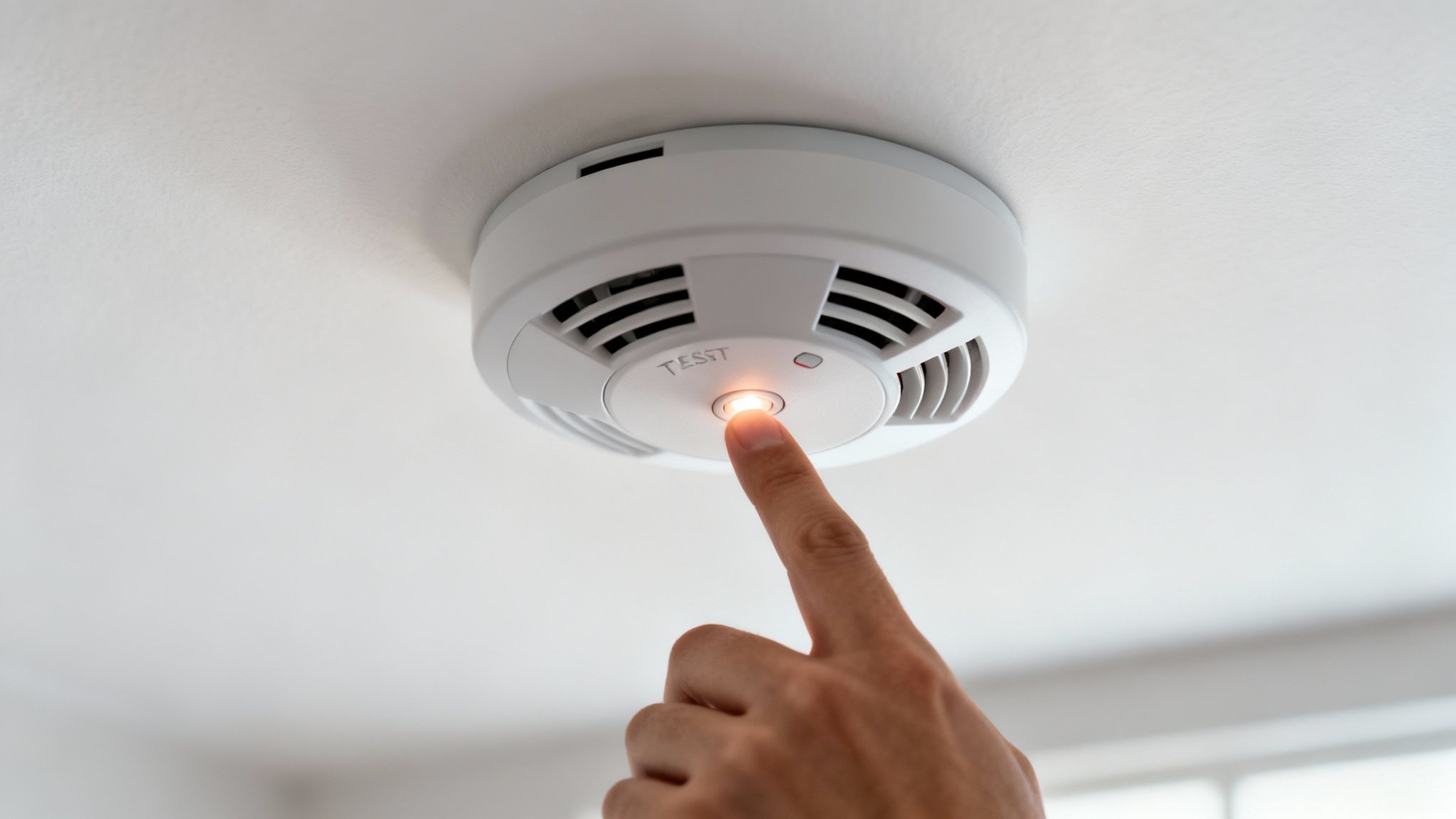
- Smoke and Carbon Monoxide Detectors (Monthly Test, Semi-Annual Battery Swap): Test each unit monthly by pressing the "test" button. Replace batteries every six months, a task easily remembered by tying it to Daylight Saving Time in the spring and fall. Replace the entire detector unit every 8-10 years, according to the manufacturer's date.
- Fire Extinguisher Inspection (Quarterly): Ensure extinguishers are fully charged (check the gauge), easily accessible (not blocked by furniture), and have an unbroken tamper seal. Check the inspection tag for the last professional service date.
- Egress and Evacuation Route Check (Annually): Verify all windows and doors, especially those designated as emergency exits, open easily and are not blocked. A properly functioning egress window is a vital safety feature; you can find additional information on modern window safety standards and ensure yours are up to code.
Pro Tip: Create a fire safety information sheet for your tenants upon move-in. It should include a diagram of evacuation routes, the location of fire extinguishers, and instructions on how to test their smoke detectors. Document that you have provided this information in the lease agreement.
10. Pest Control and Integrated Pest Management
A pest-free environment is a fundamental requirement for a habitable and desirable rental unit. Proactive pest control is a critical component of any rental property maintenance checklist, protecting your investment from damage and your tenants from health hazards. An infestation of rodents, roaches, or termites can lead to rapid property deterioration, costly structural repairs, and a damaged reputation. Implementing a consistent pest management strategy is far more effective and affordable than dealing with a full-blown infestation after a tenant complains.
Why It's a Top Priority
Regular pest management is essential for upholding health and sanitation standards. In climates like Upstate South Carolina, humidity can attract a wide range of pests, from termites that compromise a building's structure to cockroaches that can trigger allergies. A single pest sighting can quickly escalate into a major tenant issue, potentially leading to lease breaks or legal disputes. Maintaining a pest-free property not only protects your physical asset but also demonstrates a commitment to tenant well-being, fostering better landlord-tenant relationships and encouraging lease renewals.
Actionable Implementation Plan
Adopt an Integrated Pest Management (IPM) approach that focuses on prevention over reaction:
- Schedule Routine Professional Treatments (Quarterly or Bi-Annually): Contract with a professional pest control service for regular preventative treatments around the property's exterior and interior common areas. Companies like Orkin and Terminix offer specialized plans for rental properties.
- Seal Entry Points: Annually inspect and seal any cracks in the foundation, gaps around windows and doors, and openings where utility lines enter the home. This is a primary defense in protecting your South Carolina home from unwanted invaders.
- Tenant Education and Waste Management: Educate tenants on their role in prevention, such as proper food storage and waste disposal. Ensure dumpsters and trash areas are kept clean and are located a reasonable distance from the building to avoid attracting pests.
Pro Tip: Document all pest control activities, including dates of service, chemicals used, and areas treated. This log serves as crucial evidence of due diligence and can protect you from liability if a pest-related issue arises.
10-Point Rental Maintenance Checklist Comparison
| HVAC System Inspection and Filter Replacement | 🔄 Moderate — monthly checks, quarterly pro servicing | ⚡ Moderate cost: $150–500/yr per unit; technician time; filters | ⭐⭐⭐⭐ Improved comfort, lower energy use, longer equipment life | 📊 Fewer emergency repairs; lower utility bills | Properties in hot/cold climates; high-occupancy units | 💡 Schedule before peak seasons; use programmable thermostats |
| Plumbing System Checks and Leak Detection | 🔄 Moderate–High — visual + tech for hidden leaks | ⚡ Moderate: $200–500/yr per unit; leak detectors/prorates | ⭐⭐⭐⭐ Prevents water damage; conserves water | 📊 Avoids $2k–$20k+ water-damage claims; lowers bills | Older properties; cold climates; rental turnovers | 💡 Install shut-off valves; educate tenants on signs |
| Electrical System Safety Inspection | 🔄 High — requires licensed electrician and testing | ⚡ Higher cost: $300–600 per inspection; specialized labor | ⭐⭐⭐⭐⭐ Prevents fires, meets code and insurance requirements | 📊 Reduces liability and potential severe losses | Older wiring, multi-unit buildings, legal compliance needs | 💡 Hire certified electricians; test GFCIs monthly |
| Roof Inspection and Maintenance | 🔄 Moderate–High — safety considerations, seasonal checks | ⚡ Moderate: $200–500/yr maintenance; repairs expensive ($1k+) | ⭐⭐⭐⭐ Protects structural integrity; prevents interior damage | 📊 Extends roof life 10–15 years; avoids major repair bills | Properties in storm-prone areas; aging roofs | 💡 Inspect spring/fall; keep gutters clear; document work |
| Flooring and Carpet Inspection and Cleaning | 🔄 Low–Moderate — cleaning + periodic repairs | ⚡ Moderate: $300–1,000+/yr per unit; refinishing costly | ⭐⭐⭐ Improves aesthetics, air quality, and longevity | 📊 Higher tenant satisfaction; better resale/rental value | High-traffic units; between-tenancy turnovers | 💡 Use area rugs; schedule 1–2 deep cleans annually |
| Interior Wall and Paint Maintenance | 🔄 Low — visual inspections and touch-ups | ⚡ Low–Moderate: $200–500/yr for touch-ups; full repaint higher | ⭐⭐⭐ Maintains appearance; detects moisture issues early | 📊 Prevents mold escalation; keeps unit marketable | Turnover prep; moisture-prone units | 💡 Use washable neutral paints; document colors for touch-ups |
| Appliance Maintenance and Functionality Testing | 🔄 Low–Moderate — functional tests and preventive service | ⚡ Low–Moderate: $100–500/yr; replacements $500–2,000+ | ⭐⭐⭐⭐ Reduces failures and tenant complaints; extends life | 📊 Fewer emergency service calls; protects against water damage | Furnished rentals; high-turnover units | 💡 Test at move-in; keep warranty docs; schedule annual checks |
| Exterior and Foundation Assessment | 🔄 High — structural evaluation and drainage checks | ⚡ Moderate–High: $200–600/yr inspections; repairs $1k–10k+ | ⭐⭐⭐⭐ Prevents structural and moisture damage long-term | 📊 Protects property value; avoids costly foundation repairs | Older buildings; post-severe weather inspections | 💡 Ensure proper grading; seal gaps; trim vegetation away |
| Fire Safety and Emergency System Testing | 🔄 Low–Moderate — frequent tests + annual pro inspection | ⚡ Moderate: $200–500/yr; extinguisher certification costs | ⭐⭐⭐⭐⭐ Ensures life safety and legal compliance | 📊 Reduces liability; may lower insurance premiums | All multi-unit properties; legally mandated locations | 💡 Replace batteries semi-annually; document tests and dates |
| Pest Control and Integrated Pest Management | 🔄 Low — ongoing monitoring and preventive treatments | ⚡ Ongoing: $50–200/month ($600–2,400/yr per unit) | ⭐⭐⭐⭐ Prevents infestations and health risks | 📊 Fewer tenant complaints; lower remediation costs | Warm climates; waste-management challenges | 💡 Use IPM, seal entry points, educate tenants |
Turn Your Checklist into Action: Partnering with the Right Professionals
You now have a comprehensive rental property maintenance checklist, a powerful roadmap designed to transform your approach from reactive repairs to proactive asset management. This guide has broken down essential tasks by frequency and situation, covering everything from monthly HVAC filter swaps and quarterly plumbing checks to annual roof inspections and detailed move-in/move-out assessments. By following this structured plan, you're not just fixing problems as they arise; you are systematically preserving the value of your investment, ensuring tenant safety, and building a reputation as a responsible, high-quality landlord.
The true power of this checklist, however, isn't just in the document itself. Its value is unlocked through consistent and diligent execution. Each ticked box represents a potential disaster averted, a costly emergency call avoided, and a positive tenant experience reinforced. Mastering this routine maintenance is the dividing line between a stressful, money-draining property and a profitable, smoothly operating asset. It’s about more than just upkeep; it’s about control, foresight, and long-term financial health.
From Checklist to Confident Ownership
Implementing this rental property maintenance checklist is your first major step. The next is recognizing which tasks are suitable for a DIY approach and which demand the precision and expertise of a professional. While you might be comfortable testing smoke detectors or checking for slow drains, tasks involving the structural integrity and protective envelope of your property often carry risks that far outweigh the potential savings of doing it yourself.
This is especially true for your property's exterior. The roof, siding, windows, and gutters are your primary defense against the elements. For landlords in Upstate South Carolina, this is a critical consideration. Our region's high humidity, heavy seasonal rainfall, and potential for severe storms mean that even a small compromise in your exterior can lead to significant problems like:
- Pervasive Moisture Intrusion: Small gaps in siding or poorly sealed windows can allow moisture to seep into wall cavities, leading to wood rot, structural damage, and hazardous mold growth.
- Skyrocketing Energy Bills: Outdated or damaged windows and siding are major sources of energy loss, forcing HVAC systems to work overtime and driving up utility costs for your tenants (or you, if included in the rent).
- Foundation and Landscaping Damage: Clogged or failing gutters can cause water to pool around the foundation, leading to cracks, basement flooding, and soil erosion that can destroy landscaping.
- Diminished Curb Appeal and Property Value: A worn, faded, or damaged exterior not only deters prospective high-quality tenants but also directly reduces the market value and equity of your investment.
Partnering for Peak Performance and Peace of Mind
This is where strategic partnership becomes a landlord’s greatest asset. Instead of viewing professional services as a mere expense, consider them an investment in durability, efficiency, and risk mitigation. For the critical exterior components of your rental, partnering with a specialist like Atomic Exteriors ensures the job is done right, using materials engineered to withstand the local Upstate SC climate.
Think of it this way: investing in high-performance siding or energy-efficient replacement windows isn't just a repair. It's an upgrade that pays dividends for years. You remove multiple high-maintenance items from your annual checklist, reduce the likelihood of water-related emergency calls, and offer a more comfortable, secure, and appealing home to your tenants. This proactive investment fortifies your property, streamlines your management duties, and ultimately protects your bottom line. Your rental property is a significant financial asset; give its most crucial protective layers the professional attention they deserve.
Is your property's exterior a constant source of worry on your rental property maintenance checklist? Let the experts at Atomic Exteriors provide a permanent solution with durable, high-performance siding, energy-efficient windows, and seamless gutter systems designed for the Upstate South Carolina climate. Visit Atomic Exteriors today to schedule a free, no-obligation estimate and fortify your investment for years to come.