.png)
Choosing the Best Siding Colors for Your Home
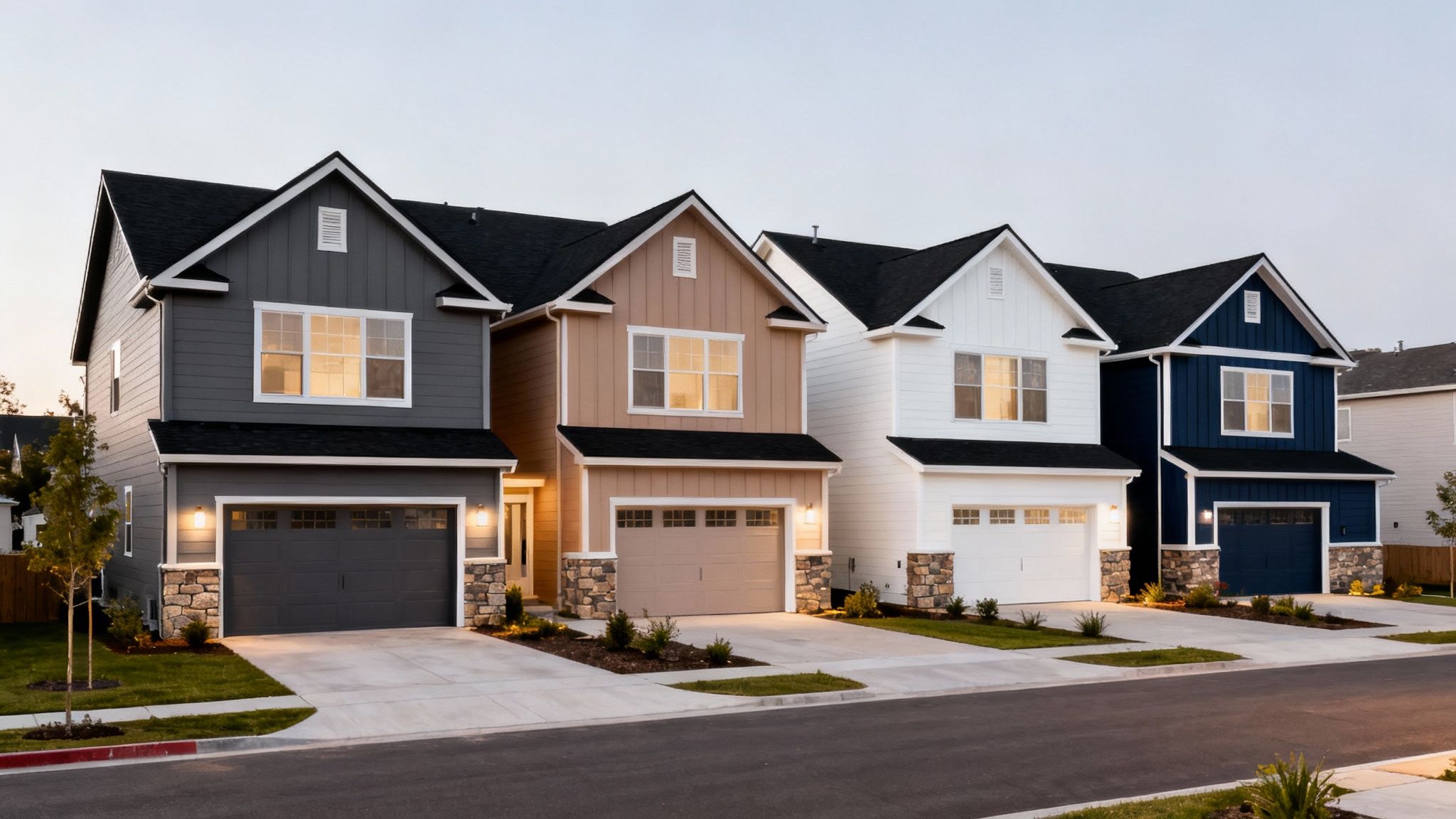
The absolute best siding colors for today's homes are sophisticated neutrals. We're talking about rich charcoal gray, deep navy blue, and earthy greens. These shades have a timeless quality that instantly elevates curb appeal and works beautifully with natural materials like stone and brick, making them a consistently smart choice.
The Best Siding Colors Homeowners Are Choosing Right Now
Picking a siding color feels like a massive decision because, well, it is. It sets the entire personality of your home for decades. While fads come and go, a few color families consistently deliver on both looks and practicality. They create an unforgettable first impression and can genuinely increase your home's value.
Lately, we've seen homeowners in the Upstate move away from the basic beiges of the past, embracing colors with more depth and personality. This isn't just about looking current; it's about making a savvy, long-term investment in your home's exterior.
The Reign of Sophisticated Neutrals
Dark, moody siding colors have officially taken center stage, and charcoal gray is the undisputed king. Its modern sophistication blends with almost any architectural feature, from the rustic stone on a Craftsman in Greer to the clean lines of a modern farmhouse over in Simpsonville.
Even better, unlike lighter shades that highlight every speck of dirt, charcoal is incredibly forgiving. It does a fantastic job of hiding dust and the signs of weathering over time.
This practical perk comes with a serious financial upside. Real estate data consistently shows that homes with updated, neutral dark exteriors sell 12-18% faster. They can even command premiums of $10,000 to $25,000 more in mid-sized markets like ours in Greenville and Anderson. You get a stunning look that also happens to be a wise investment.
Expert Tip: When you go with a dark siding color, pair it with a crisp, contrasting trim like an Arctic White. This classic combo makes your architectural details pop and creates a polished, high-end finish that will never look dated.
To help you visualize the most popular choices, here’s a quick rundown of what we’re seeing on homes across the Upstate.
Top Siding Color Trends and Their Benefits
| Dark Grays | Charcoal, Iron Ore, Peppercorn | Modern Farmhouse, Craftsman | Hides dirt, boosts resale value |
| Deep Blues | Naval, Hale Navy, Inky Blue | Colonial, Cape Cod, Coastal | Timeless and classic elegance |
| Earthy Greens | Sage, Olive, Forest Green | Rustic, Ranch, Bungalow | Complements natural landscapes |
| Warm Off-Whites | Alabaster, Swiss Coffee | Traditional, Transitional | Bright, clean, and welcoming |
These palettes offer a great starting point, giving your home an updated feel that still feels classic and won't go out of style in a few years.
Why Versatility Is Key for Siding Colors
The best siding colors are the ones that give you options. A great neutral acts as the perfect canvas, letting other features of your home take the spotlight. Think about how a color will work with the elements you can't easily change:
- Roofing Materials: A charcoal gray siding looks fantastic with both dark asphalt shingles and sleek metal roofs.
- Stone or Brick Accents: Earthy tones like olive green or a warm taupe naturally complement the colors found in most brick and stonework.
- Window Trim: A deep navy blue siding looks incredibly sharp against white, black, or even modern bronze window frames.
By choosing a versatile main color, you give yourself the freedom to update your shutters, front door, or landscaping down the road without having to start from scratch. To see how these shades look on different home styles, check out our guide on popular vinyl siding colors. This forward-thinking approach ensures your home's exterior stays cohesive and beautiful for years to come.
Matching Siding Colors to Your Home's Architecture
While it's easy to get swept up in the latest color trends, the most beautiful home exteriors are the ones that feel authentic to the home’s design. The best siding colors don't just cover your house; they highlight its best features and honor its architectural roots.
Forcing a trendy color onto a style it wasn't meant for can create a disjointed, "off" look, no matter how popular that shade is. Think of it this way: your home's structure tells a story. A stately Colonial in Anderson has a completely different narrative than a cozy Craftsman bungalow in Greenville. Your siding color should be a key part of that story, not a random chapter.
Aligning Color with Common Upstate SC Styles
The key is to select a palette that complements the lines, materials, and historical context of your home. A deep dive into various house elevation design styles can really open your eyes to how different architectural forms require specific color considerations.
Here are a few practical examples for home styles we see all the time in our area:
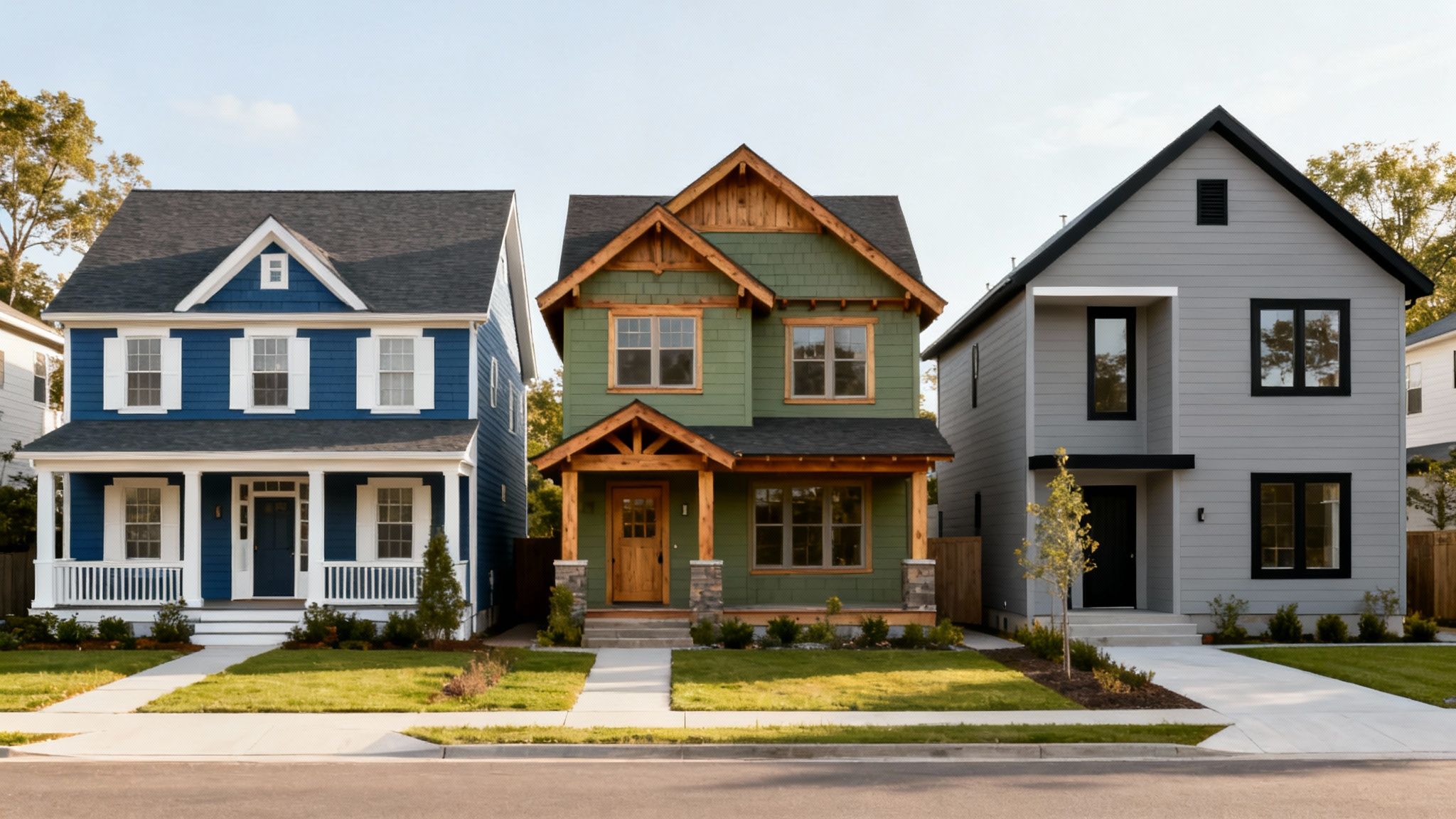
- Traditional Colonial: These homes are all about symmetry and classic proportions. Timeless colors like a rich navy blue, classic white, or muted gray respect their historic character perfectly.
- Rustic Craftsman: With their prominent porches and natural materials, Craftsman homes look their best in earthy, nature-inspired tones. Think olive greens, warm taupes, and deep browns that connect the structure to its landscape.
- Modern Farmhouse: This incredibly popular style thrives on high-contrast palettes. Crisp white siding with bold black trim is the go-to combination, but a dark charcoal board-and-batten siding also creates that striking, modern look.
When you match your color to the architecture, the entire property feels more intentional and thoughtfully designed. It signals quality and care, which are huge factors in both curb appeal and resale value.
Leaning into Architectural Strengths
Consider a classic brick ranch, a common sight around the Upstate. Instead of covering the beautiful brick, you could choose a siding color for the gables that pulls a specific hue from the mortar or the deepest red in the brick itself. This approach creates a cohesive, custom look that feels both updated and original.
This is where durable, modern materials really shine. You can explore the benefits of fiber cement siding to see how today's products can achieve these classic looks with incredible longevity.
For instance, deep navy and slate blues are surging in popularity, capturing over 35% of new installations in many markets. Experts predict that James Hardie’s Boothbay Blue, often paired with Arctic White trim, will continue to be a top choice. This combination offers a timeless vibe that beautifully echoes South Carolina's lakefront and mountain views, potentially boosting home values by 8-15%.
Creating a Cohesive Exterior Color Palette
Even the most beautiful siding color can fall flat without a supporting cast. Think of your siding as the main event, but it’s the trim, roof, and gutters that turn a simple color choice into a stunning, cohesive exterior. These elements have to work together to define your home’s character and create that polished final look that really boosts curb appeal.
A simple framework we often share with homeowners is the 60-30-10 rule. It's a fantastic, no-fuss way to balance your exterior palette.
- 60% Main Siding Color: This is the dominant shade, the one covering the most real estate.
- 30% Secondary Color: This is for your roof, stone, or brick accents. It needs to complement, not compete with, the siding.
- 10% Accent Color: This is where you have some fun—your trim, shutters, and front door. It’s the final pop of contrast.
This formula just works. It creates a natural visual harmony and stops the different parts of your home from clashing.
Coordinating Key Exterior Elements
After your siding, your roof is the next biggest thing people see, so getting that pairing right is critical. A dark charcoal or black roof is a safe and powerful bet—it’s incredibly versatile and looks sharp with almost any siding color, from a crisp white to a deep navy. This classic combination gives a home a strong, grounded look that anchors the entire design.
For instance, we've seen stunning modern homes that pair a deep charcoal siding with a black roof. Finish it off with crisp white trim, and you have a high-contrast palette that feels both timeless and bold. The trim choice itself is a huge part of the equation; you can see tons of examples of how different timeless trim color ideas for a white house can completely change a home's style.
Pro Tip: Please don't let your gutters be an afterthought! Instead of settling for standard white, ask about custom-matched gutters that blend right in with your siding or trim. It’s a small detail that creates a clean, uninterrupted line and gives your home a high-end, professionally designed finish.
Bringing the Whole Palette Together
Take a moment to picture how all the pieces will interact in different kinds of light. We recently worked on a home with a warm, earthy green siding that looked incredible with a dark brown roof and cream-colored trim. The brown roof picked up on the deep, natural tones in the siding, while the cream trim added just enough soft contrast to keep the whole palette from feeling too heavy.
Ultimately, a well-chosen color palette makes every single component look better. To see more ways these choices impact your home’s presence, our guide on how to improve curb appeal has more strategies for creating a standout exterior. By thoughtfully coordinating these elements, you ensure your siding investment pays off with a beautiful, unified look you'll love for years.
Let Climate and Landscape Guide Your Color Choice
Your home doesn’t exist in a vacuum—it’s part of the bigger picture. The best siding colors are the ones that feel connected to their surroundings, working in harmony with our local climate and the natural beauty of the Upstate South Carolina landscape. This kind of thoughtful approach is what makes a home look like it truly belongs.
Instead of just chasing the latest trend, take a moment to look out your window. The wooded hills, clear lakes, and rich soil of our region offer the perfect color palette. When you choose siding that reflects these natural elements, you get a timeless, grounded look that won't feel dated in a few years.
Draw Inspiration from the Upstate Landscape
Think about the colors you see on a drive through areas like Greer or Simpsonville. You’ll notice the deep greens of pine forests, the warm browns of tree bark, and the soft grays of river stones. These are the shades that feel most authentic to our corner of the world.
Choosing siding in these tones helps your home blend right in with its natural setting.
- Earthy Greens: Shades like sage, olive, and forest green connect your home to the surrounding trees and foliage, creating a tranquil, organic feel.
- Warm Neutrals: Colors like taupe, clay, and deep brown echo the rich soil and rocky outcrops, giving your home a sturdy, rooted appearance.
These nature-inspired palettes do more than just look good; they create a sense of calm and permanence.
A home that complements its landscape feels more intentional and thoughtfully designed. It’s a subtle cue that signals quality and care, showing that every detail was considered—right down to how the siding color interacts with the afternoon sun filtering through the trees.
Siding Colors and Energy Efficiency in Our Climate
Beyond aesthetics, your siding color plays a surprisingly practical role in your home's energy performance, especially with our hot, humid summers and mild winters. The science is simple: light colors reflect sunlight, while dark colors absorb it.
In a climate like ours, lighter siding colors can offer a real advantage. Shades like light gray, warm off-white, or soft beige can help reflect solar heat away from your home. This takes a lot of the workload off your air conditioning system during those peak summer months, which can mean lower energy bills.
On the flip side, darker colors can actually provide a slight benefit in the winter by absorbing solar radiation and contributing to passive heating. This is especially true for the earthy tones, which have become some of the fastest-growing siding colors. These shades are projected to capture 42% of the market in nature-centric regions like Upstate South Carolina.
Beyond just looking great, their lower reflectivity can help trim winter heating bills by up to 12% in southern climates. You can discover more about the rise of these trending colors online. When you think about these factors, you’re not just picking a color—you're making a smart choice for your home.
Balancing Personal Taste with Resale Value
Your home is absolutely an expression of your personality, but it's also one of your biggest financial assets. When you're picking out siding colors, the sweet spot is finding a shade you genuinely love that will also appeal to a wide range of future buyers. The decision often starts with your own neighborhood.
Many communities, especially those with a Homeowners Association (HOA), have specific rules about exterior color palettes. These aren't just there to be difficult—they exist to maintain a cohesive look and protect everyone's property values. Before you get your heart set on a vibrant or unique color, your very first move should be to check your HOA guidelines.
The Power of Timeless Neutrals
Even if you don't have an HOA, it pays to think like a potential buyer down the road. While a bright, funky color might feel perfect for you right now, it can be a real roadblock when it's time to sell. The goal is to choose a color that lets buyers imagine their own lives there, not get distracted by a bold design choice.
This is where classic neutrals really prove their worth. They have the broadest appeal and create a perfect backdrop that lets your home’s best features stand out.
- Warm Off-Whites: Shades like Alabaster give a home a bright, welcoming, and clean look that feels both classic and inviting.
- Sophisticated Grays: From light and airy tones to deep, dramatic charcoals, this color family is incredibly versatile and has a modern edge.
- Earthy Tones: Colors like taupe and rich, desaturated browns feel grounded, connecting the home to its natural surroundings here in the Upstate.
Choosing a widely appealing neutral isn’t about playing it safe; it's about making a smart financial decision. A classic color ensures your investment boosts your home’s value instead of limiting its potential buyer pool.
Maximizing Your Return on Investment
A full siding replacement is one of the most impactful upgrades you can make, and your color choice directly affects its financial return. By selecting a classic, in-demand color, you're not just boosting curb appeal today—you're making your home far more attractive on the market tomorrow. Our guide on how to increase property value dives deeper into how exterior updates can deliver a fantastic return.
You can always inject personality with accent colors on your front door or shutters. Those are elements that are much easier and cheaper to change later on. This strategy lets you enjoy a pop of color now while making sure your home remains a valuable, marketable asset for the future.
How to Confidently Test and Finalize Your Siding Color
Trusting a tiny paint chip or a digital swatch on a screen is one of the biggest mistakes you can make when picking out siding. I've seen it happen time and time again—colors can morph dramatically in different lighting. That perfect warm gray you saw online might suddenly reveal some surprising purple undertones in the bright afternoon sun.
Before you commit to a full order of materials, a proper testing phase isn't just a good idea; it's non-negotiable.
The only way to know for sure is to get physical samples in your hands. Don’t just get one, either. Grab several of your top contenders and place them right up against your home. You’ll want to check them on different sides—the shady north-facing wall, the sun-drenched south side, and the east and west walls that catch the morning and evening light.
View Samples Throughout the Day
A color’s entire personality can shift from dawn until dusk. You need to observe your samples at different times to see how they truly behave in your specific environment.
- Morning Light: This light is often bright and clear, showing you a color’s truest hue.
- Midday Sun: The intense overhead sun can wash colors out or, conversely, bring out strong undertones you didn't know were there.
- Evening Shade: As the sun sets, colors will deepen and mute, giving you a good feel for how your home will look on overcast days.
This simple process is what prevents those costly "I wish I'd known" moments and ensures you’ll love the final result, no matter the weather or time of day.
This infographic breaks down how to balance your personal taste with all the practical things you need to consider.
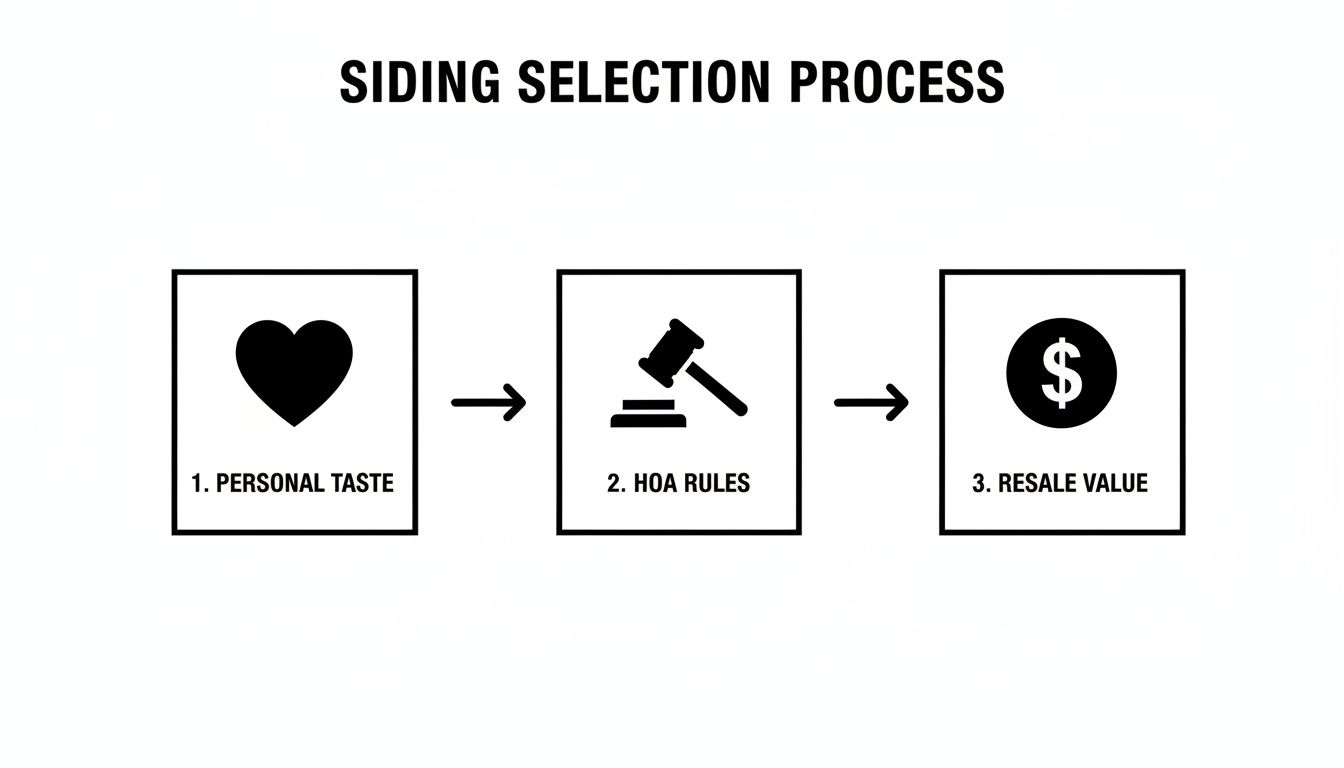
It’s a great reminder that the best choices happen when your gut feeling, community rules, and financial smarts all point in the same direction.
Leverage Professional Tools for Certainty
Still feeling a little unsure? This is where professional visualization tools can be a game-changer. Many modern contractors can upload a photo of your actual house and digitally "paint" it with your chosen siding colors. It gives you a surprisingly realistic preview of the final look, helping you see the big picture before a single panel is installed.
By taking the time to test samples in real-world conditions, you move from hoping you picked the right color to knowing you did. It's the final step to ensuring your investment results in curb appeal you'll be proud of for years.
Of course, a perfect color choice needs a perfect installation to match. It’s always smart to work with qualified pros who know the materials and our local Upstate SC climate. You can find more advice on this in our guide to choosing local siding contractors near me.
Common Questions About Picking Siding Colors
Choosing siding colors feels like a huge commitment, and it's natural to have questions. Over the years, we've heard just about all of them from homeowners across the Upstate. Here are our honest answers to the ones that come up most often.
What Are the Most Timeless Siding Colors?
If you're looking for staying power and solid long-term value, you really can’t go wrong with the classics. Versatile light grays, warm off-whites, sophisticated charcoals, and even deep navy blues have an enduring appeal that transcends trends.
These colors work as a fantastic neutral backdrop, which lets you get creative with trim, shutters, and door colors. More importantly, they make it easy for potential buyers down the road to see themselves in the home, which is always a plus for resale value.
Should My Siding Be Lighter or Darker Than My Roof?
The traditional rule of thumb is to go with a roof color that's darker than your siding. This approach gives the house a visually grounded, balanced look that feels solid and intentional. It’s a classic for a reason.
But rules are sometimes meant to be broken. We’ve seen some incredibly sharp, contemporary homes with dark charcoal siding and a lighter metal roof. The real key isn’t a strict light-or-dark rule, but making sure there’s enough contrast between the two to create clear architectural definition.
A measurable contrast between your roof and siding is more important than following a specific light-or-dark rule. This contrast is what highlights your home’s unique lines and prevents it from looking flat.
How Much Does Siding Color Affect My Home's Temperature?
It absolutely makes a difference, especially with our hot South Carolina summers. Darker colors absorb more of the sun's radiation. That might give you a slight advantage in the winter, but it can definitely drive up your cooling costs when it's 95 degrees in July.
Lighter colors, on the other hand, reflect sunlight. This simple fact helps keep your home cooler and reduces the strain on your AC unit. If you’re focused on efficiency, look for siding with a high Solar Reflectance Index (SRI) value. Lighter shades almost always perform better here.
Ready to explore the best siding colors for your home with confidence? The team at Atomic Exteriors offers expert guidance and professional installation to bring your vision to life. Schedule your free, no-obligation estimate today by visiting us at https://atomicexteriors.com.