.png)
Best Replacement Window Brands: Top Picks (best replacement window brands)
Trying to find the best replacement window brands means you're looking for that sweet spot between performance, cost, and long-term peace of mind. While big names like Andersen, Pella, and Wincore are always in the conversation, the right choice is the one that fits your home, your budget, and our unique Upstate South Carolina climate.
How to Choose the Right Replacement Windows
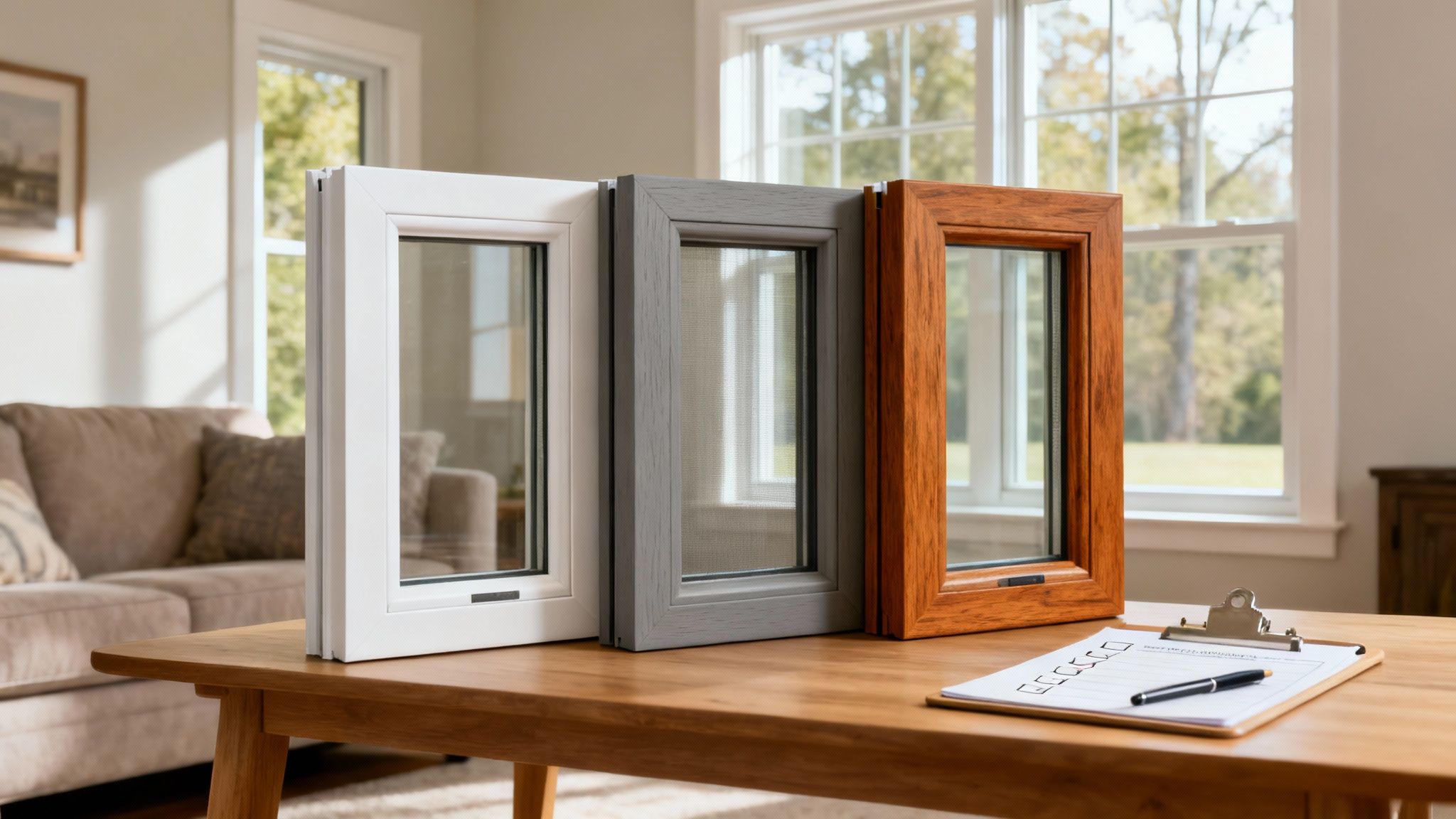
Picking new windows for your home is a huge decision. Let's be honest, the goal isn't just to find a good brand. It's about finding a window that actually solves your problems—whether that's sky-high energy bills from Greenville's summer heat, annoying drafts in the winter, or just plain outdated curb appeal.
This guide cuts through the marketing fluff to give you a practical way to make a smart choice. We're focusing on what truly matters for homeowners in Anderson, Simpsonville, and Greer. That means prioritizing features that stand up to our humidity and deliver fantastic thermal performance.
Key Decision-Making Factors
Before you get lost comparing brand names, it helps to know what makes a window good in the first place. Your decision will really boil down to just a few key things:
- Material Performance: How well will materials like vinyl, wood, or a composite hold up to our moisture and temperature swings? You don’t want something that will warp, crack, or rot.
- Energy Efficiency: Does the window have the right ENERGY STAR ratings for a southern climate? A low Solar Heat Gain Coefficient (SHGC) is non-negotiable here.
- Warranty and Installation: Is the product backed by a solid warranty, and more importantly, will it be installed by experts who stand behind their work?
One brand that consistently checks these boxes is Andersen. They've been around since 1903, and you don't stick around that long without doing something right. The company’s financial stability—with annual sales topping $1 billion according to the 2022 Top Manufacturers Report—is a pretty good sign of its reliability. They've built a legacy on high-performance products known for being tough and energy-efficient, which are exactly the qualities you need in an Upstate home. You can dig into the numbers yourself in the 2022 industry report.
The "best" window isn't a single product—it's the one that provides the ideal combination of material durability, energy savings for your climate, and a warranty that ensures peace of mind for decades.
A First Look at Leading Brands
To get you started, here's a quick, high-level look at some of the best replacement window brands out there. This table highlights their main strengths, common materials, and a general idea of what to expect on price. As you keep reading our guide on home window replacement, we'll dive deeper into how these factors play out in the real world.
Quick Guide to Top Replacement Window Brands
This at-a-glance comparison of the leading brands highlights their key strengths and ideal use cases to help you start your research.
| Andersen | Durability & Overall Value | Fibrex® Composite, Wood, Vinyl | Moderate to High |
| Pella | Design Options & Innovation | Wood, Fiberglass, Vinyl | Moderate to High |
| Wincore | Energy Efficiency & Vinyl Performance | Premium Vinyl | Moderate |
Think of this as your starting point. Each of these brands offers something different, and the best fit will depend on whether you prioritize aesthetic flexibility, bulletproof durability, or maximum energy savings.
What Really Makes a Quality Window?
Jumping into the world of replacement windows can feel overwhelming. Before you start comparing brands like Andersen, Pella, or Wincore, it’s crucial to know what you’re actually looking for, especially here in Upstate South Carolina.
The sticker on the window is just the beginning. The real value lies in the materials, energy ratings, and warranty—factors that dictate how your new windows will perform, how long they'll last, and how much they’ll save you on those summer energy bills. Let's break down what truly matters.
The Foundation: Frame Materials and Performance
A window’s frame is its skeleton. The material it's made from determines its strength, maintenance needs, and ability to insulate. In a humid climate like ours, picking a material that won't warp or rot is non-negotiable.
Here’s a quick rundown of the most common options:
- Vinyl: There’s a reason it’s the most popular choice. High-quality, modern vinyl is a workhorse—it's incredibly low-maintenance, never needs a paint job, and won’t fall victim to our humidity. Brands like Wincore specialize in premium vinyl with welded corners, making them incredibly strong and airtight.
- Wood: Nothing beats the classic, warm look of real wood. The trade-off? It demands constant upkeep (staining or painting) to keep it from rotting and swelling in South Carolina's damp air. It’s a beautiful choice, but a demanding one.
- Fiberglass: Known for its brute strength and stability, fiberglass barely expands or contracts with temperature swings, which puts less stress on the window seals. It's a tough, low-maintenance option that can even mimic the look of wood without the headache.
- Composite: Materials like Andersen's Fibrex® are a hybrid of wood fibers and thermoplastic polymer. This mix creates a frame that’s twice as strong as vinyl and offers the look of wood with far less maintenance, making it a serious contender for our climate.
Decoding Energy Efficiency Ratings
Those numbers on the NFRC sticker aren't just for show—they tell you exactly how a window will help keep your home comfortable and your utility bills down. For homeowners in Greenville, Spartanburg, and the surrounding areas, two ratings matter most: U-Factor and SHGC.
U-Factor: Think of this as a measure of insulation. It tells you how well a window stops heat from escaping your home. The scale usually runs from 0.20 to 1.20, and in this case, a lower number is always better. A low U-Factor is your best friend during those chilly winter months.
Solar Heat Gain Coefficient (SHGC): This one is huge for us. It measures how much heat from the sun a window blocks. The scale is 0 to 1, and a lower SHGC is essential for our scorching summers. A low number means less solar heat gets inside, giving your air conditioner a much-needed break.
For Upstate South Carolina, ENERGY STAR recommends an SHGC of 0.25 or less. This single rating is one of the most powerful tools you have for cutting summer cooling costs.
Beyond these ratings, the glass itself makes a huge difference. When you're weighing the key factors in window quality, things like light transmission and clarity come into play. If you want maximum natural light without distortion, you can explore ultra clear glass options for your windows to see what’s possible. You can also dive deeper into how different glass packages perform when you compare triple-pane windows vs double-pane.
What a Great Warranty Really Covers
A warranty is a manufacturer’s promise. It’s a direct reflection of their confidence in their own product. But the devil is always in the details, and not all warranties are created equal. A truly great one is comprehensive, clear, and easy to understand.
Look for how the warranty breaks down coverage for different parts:
- Glass Unit: The best brands offer 20-year or "limited lifetime" coverage against seal failure. That's the issue that causes that dreaded foggy look between the panes.
- Frame and Hardware: Coverage for the non-glass components—like locks, cranks, and the frame itself—is usually for a shorter term, often around 10 years.
- Labor: This is a big one. Manufacturer warranties almost never cover the cost of installation labor. That’s why a separate workmanship warranty from your installer is absolutely critical. It protects you from any issues caused by a poor install, like leaks or drafts.
Comparing the Top Replacement Window Brands
Choosing the right replacement window can feel overwhelming, but it gets a lot easier once you know what to look for. Here in Upstate South Carolina, we need windows that can stand up to our unique climate—blazing summer sun, high humidity, and everything in between.
Forget the generic sales pitches. We’re going head-to-head, comparing industry giants like Andersen and Pella with high-performance specialists like Wincore. The focus is on what really matters for your home: materials that won’t warp in the humidity, energy ratings that keep your AC bills down, and long-term value you can count on. This isn't about finding the one "best" brand for everyone; it's about finding the right brand for you.
Material and Durability Showdown
A window's frame is its skeleton—the foundation for everything else. For homeowners in the Upstate, that frame has to endure intense sun and constant moisture without failing.
Andersen's Fibrex® Composite
Andersen really changed the game with their proprietary Fibrex® material. It’s a composite made by fusing reclaimed wood fibers with a thermoplastic polymer, and the result is a frame that’s twice as strong as vinyl. That strength allows for narrower frames, which means more glass, more natural light, and a better view, all without sacrificing an ounce of structural integrity.
More importantly for our climate, Fibrex® barely expands or contracts with temperature swings. This stability takes the stress off the window seals, drastically reducing the risk of air and water leaks down the road. It also resists rot and decay, making it a tough, low-maintenance choice that excels in our humid environment.
Wincore's Premium Vinyl
Wincore has perfected the art of the premium vinyl window. This isn't the flimsy, builder-grade stuff you see on some homes. Wincore uses high-quality uPVC with fusion-welded corners, which creates a seamless, incredibly strong frame with no weak spots for air or water to sneak through.
For a South Carolina home, that means you get a window that won’t peel, chip, or rot, even after years of exposure to our moisture and sun. Wincore’s vinyl frames are fantastic insulators, making them a smart, cost-effective option for homeowners who prioritize low maintenance and energy efficiency above all.
Energy Performance for Southern Climates
When it comes to energy efficiency in our region, the number one job is keeping the sun’s heat out. That means a low Solar Heat Gain Coefficient (SHGC) isn't just a nice feature—it's a necessity.
Here’s how our top brands tackle energy performance for a southern climate:
- Pella: They offer advanced Low-E glass coatings specifically for different climate zones. For the South, their SunDefense™ Low-E Insulating Glass with Argon is a fantastic choice. It’s engineered to block a significant amount of solar heat gain, which keeps your home cooler and gives your AC a much-needed break.
- Andersen: Their lineup includes a range of high-performance glass, with SmartSun™ glass being a popular option. This coating blocks an impressive 95% of harmful UV rays while still letting in plenty of visible light. It's a great all-around performer that balances solar heat control with beautiful clarity.
- Wincore: They specialize in packing exceptional efficiency into their vinyl frames. Their combination of Low-E coatings and argon gas fills creates a powerful thermal barrier, helping their windows meet and even exceed the ENERGY STAR requirements for our region.
When you boil it down, the frame, energy rating, and warranty are the three pillars of a great window. This infographic is a great visual reminder of what to focus on.
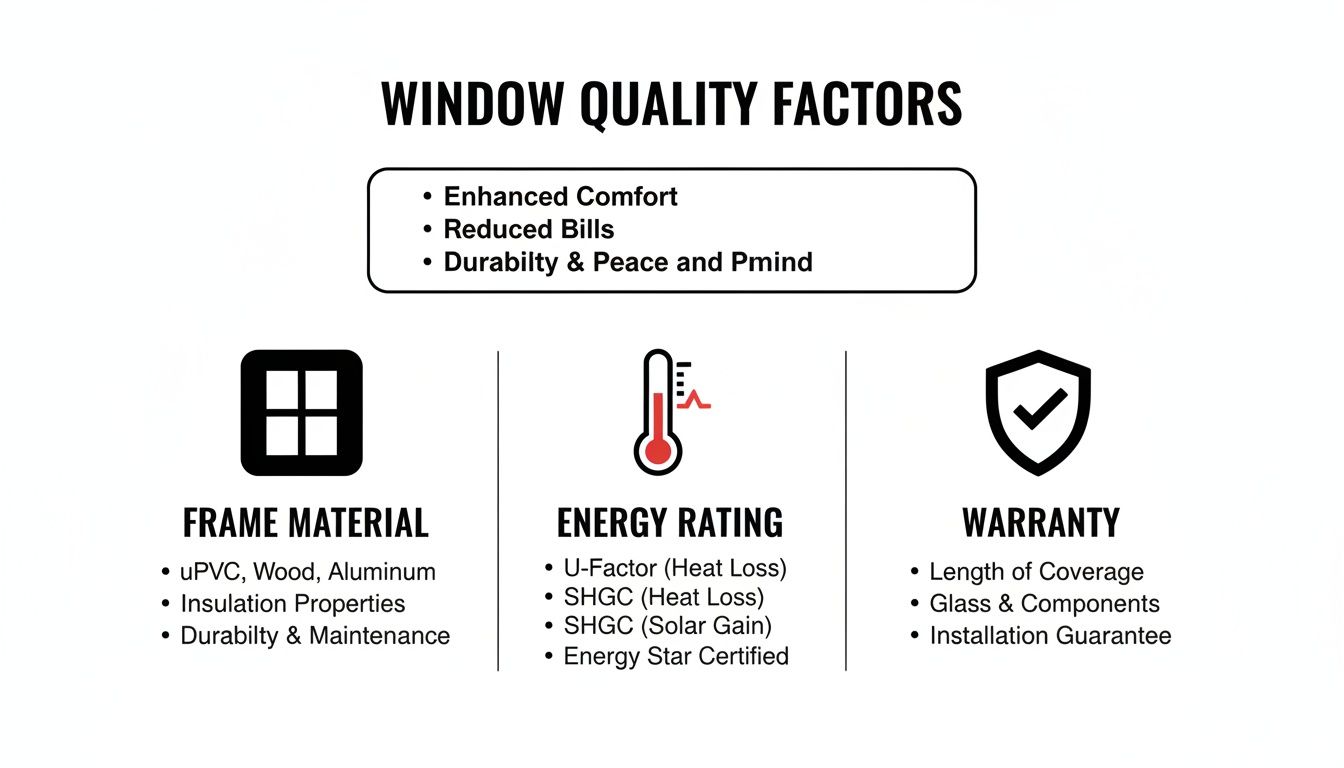
This guide shows how a durable frame, a climate-specific energy rating, and a solid warranty all work together to protect your investment.
Design Flexibility and Aesthetic Options
Let’s be honest—your windows are a huge part of your home’s architectural style, so how they look matters. Each brand brings something different to the table when it comes to design.
Pella's Design-Forward Approach
Pella is known for its design innovation and aesthetic range. They are especially famous for their beautiful wood windows, which can be customized with various interior stains, exterior aluminum cladding colors, and grille patterns to match any style.
Pella's Architect Series® is the go-to line for homeowners and designers who need historical accuracy or unique custom shapes. They also offer smart features like between-the-glass blinds and shades—a huge win for anyone who wants light control without ever having to dust blinds again.
Andersen's Versatile Styles
Andersen does a great job of balancing classic and modern looks. Their 400 Series is a perennial bestseller, loved for its warm wood interior and tough, low-maintenance exterior. For a more contemporary feel, the 100 Series, made from Fibrex®, offers a clean, durable, and affordable option. With a huge selection of colors, hardware, and grilles, it's easy to find an Andersen window that feels right at home.
Beyond looks, many homeowners are concerned about how well their new windows will block traffic or neighborhood noise. If that's a priority for you, be sure to read our guide on the best windows for noise reduction.
Cost and Overall Value Proposition
At the end of the day, the best brand is the one that gives you the right mix of performance, durability, and style for your budget.
Here’s a quick breakdown of how these brands generally stack up:
| Andersen | Moderate to High | Balances exceptional durability (Fibrex®) with a trusted brand reputation and strong warranties. | Prioritize long-term performance and a proven track record of reliability. |
| Pella | Moderate to High | Leads in design innovation, customization, and unique features like integrated blinds. | Value aesthetic flexibility and are looking for specific design solutions. |
| Wincore | Moderate | Delivers outstanding energy efficiency and durability in a premium vinyl product. | Want maximum thermal performance and low maintenance at a competitive price point. |
Each of these brands is a solid investment. Andersen offers peace of mind with its tough materials and long history, Pella gives you unparalleled design freedom, and Wincore delivers top-tier energy performance in a practical, no-fuss package.
Matching Window Features to Your Home's Needs
Understanding the specs on the best replacement window brands is a good start, but knowing how to connect those features to your specific home is what really counts. For homeowners in Greenville, Spartanburg, and across the Upstate, the right window isn't about a brand name—it's about solving real-world headaches like humidity, traffic noise, and preserving your home’s character.
This is where we move past the spec sheets and into practical solutions. We’ll look at common scenarios you probably recognize and connect them directly to a window feature that will make a difference you can feel every day.
When to Consider Triple-Pane Glass
Most people automatically think of double-pane windows, and for good reason—they’re a fantastic standard. But there are a few situations where upgrading to triple-pane glass is a really smart investment, especially when it comes to noise.
If your house sits near a busy road like I-85, a school, or a bustling commercial district, the constant background noise can really wear you down. Triple-pane windows add another layer of glass and a second chamber of insulating gas. That construction is dramatically better at dampening sound waves from the outside, creating a much quieter and more peaceful home.
The extra thermal performance is a nice bonus, but for most people in this situation, the real win is the acoustic comfort. To learn more about how different window options can improve your home's efficiency, take a look at our guide on the benefits of energy-efficient windows.
Choosing Windows to Withstand Upstate Humidity
South Carolina's humidity is no joke, and it’s a killer for certain window materials. Moisture causes wood to swell, warp, and eventually rot, which leads to windows that are hard to open and seals that no longer do their job. This is something every homeowner in our area has to think about.
To fight back, you need to focus on materials known for their moisture resistance.
- Premium Vinyl: High-quality vinyl frames, like the ones from Wincore, are non-porous and have welded corners. This creates a seamless unit that moisture simply can't get into, so you'll never have to worry about rot or peeling.
- Composite Materials: Andersen's Fibrex® is another fantastic choice for our climate. It blends the strength of wood fibers with the low-maintenance, moisture-proof nature of a polymer. It won’t soak up water, swell, or need the constant repainting that wood demands.
Choosing a moisture-resistant material isn't just about avoiding maintenance. It's about making sure the window's frame stays true. A frame that doesn't warp keeps the seals tight, preventing air and water leaks for decades to come.
Enhancing Your Home's Architectural Character
Your windows are one of the most prominent features of your home's exterior. The right style can completely transform its curb appeal and character, while the wrong one can just look… off. The key is to pick a window that feels like it belongs, whether you have a historic craftsman in Spartanburg or a new modern build in Simpsonville.
Matching Window Styles to Home Architecture
| Craftsman / Bungalow | Double-Hung with Grilles | The traditional vertical lines and grid patterns feel right at home with the classic, structured look of a craftsman. |
| Ranch / Mid-Century | Casement or Sliding Windows | These styles offer clean, horizontal lines and big, clear panes of glass that match the low-profile, open vibe of these homes. |
| Colonial / Traditional | Double-Hung with Colonial Grilles | Symmetrical grilles in both sashes reinforce the formal, balanced aesthetic of classic colonial architecture. |
| Modern / Contemporary | Picture or Awning Windows | Huge, fixed picture windows maximize light and views, while sleek awning windows provide ventilation with a minimalist feel. |
Ultimately, choosing the right style is about more than just appearances. A well-chosen window just feels like a natural part of your home’s personality. By connecting the dots between features—whether it’s blocking noise, beating humidity, or honoring your home’s architecture—you can confidently pick from the best replacement window brands and make an investment that pays off in both comfort and value.
Why Professional Installation Is Not Negotiable
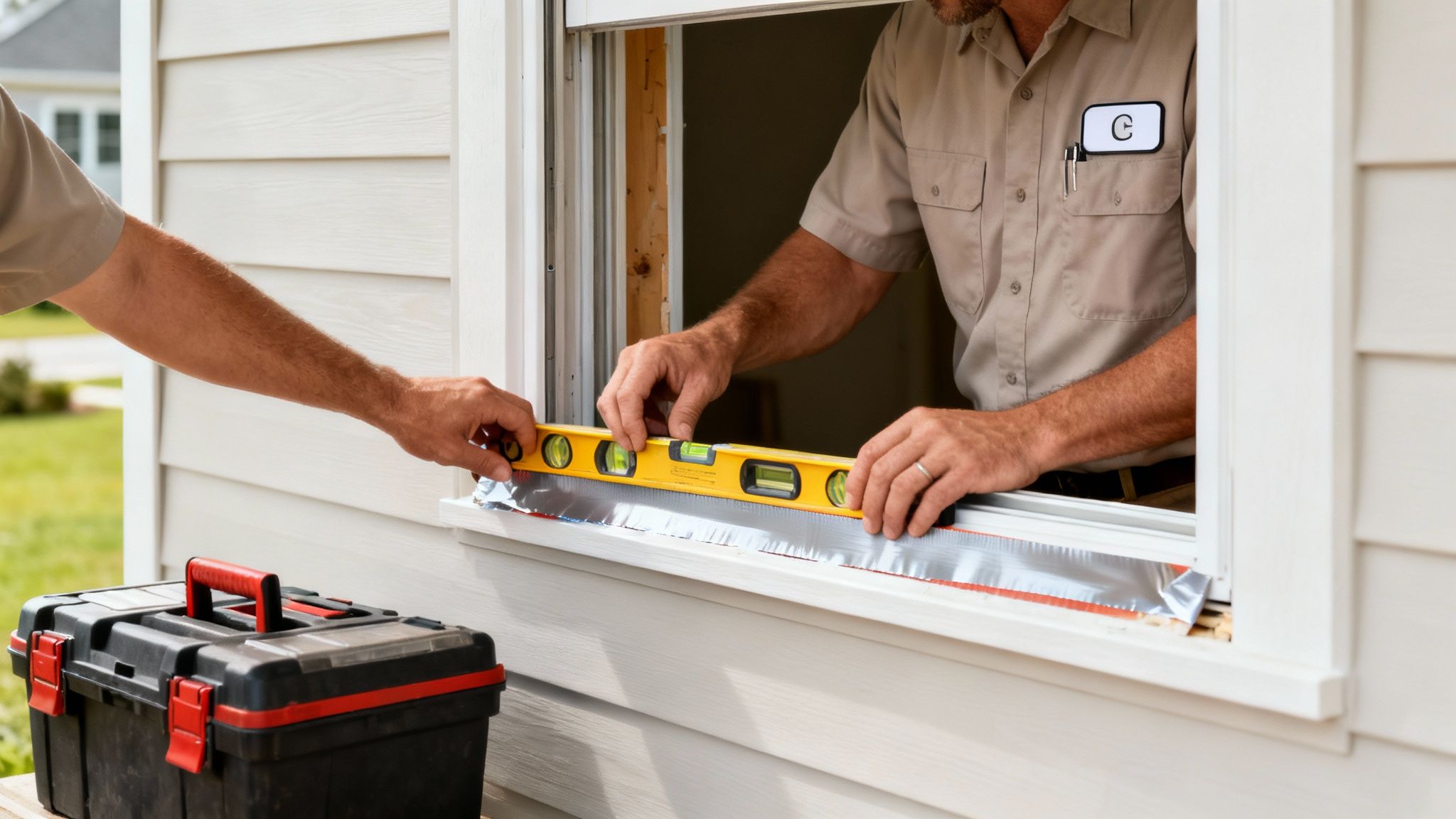
You can spend weeks poring over reviews for the best replacement window brands, find the perfect model with ideal energy ratings, and write a big check for a top-tier product. But if that window is installed incorrectly, nearly all its benefits vanish into thin air.
The installation isn't just the final step; it's the most critical part of the entire process. It’s what makes sure your new windows actually perform as promised.
An improperly installed window is far more than a cosmetic flaw—it's an open door for problems. Even a tiny gap of just 1/8th of an inch around the frame can let in as much air as leaving a small window cracked open, causing drafts and making your energy bills soar.
Here in South Carolina, where humidity is a constant battle, a poor seal is an open invitation for moisture. That moisture gets into your walls, leading to hidden mold, rot, and serious structural damage over time.
Think of it this way: a premium window is like a high-performance engine. It doesn’t matter how powerful it is if it’s not properly connected to the rest of the car. The installation is what seals the window to your home, making it airtight, watertight, and structurally sound.
The Anatomy of a Flawless Installation
A professional installation is a technical process that goes way beyond just sliding a window into an opening. It involves several crucial steps that protect your home and unlock the window's full energy-saving potential.
A proper install always includes:
- Precise Measurement and Fitting: The window has to be perfectly level, plumb, and square. If it isn't, it won't operate correctly or seal tightly.
- Proper Flashing and Sealing: This is absolutely non-negotiable in our damp climate. A skilled installer creates a multi-layered barrier with specialized tapes and flashing that directs water away from the wall cavity, stopping leaks before they ever start.
- High-Quality Insulation: The space between the new window frame and your home's rough opening must be carefully filled with low-expansion foam insulation. This step stops drafts dead in their tracks and completes the window's thermal barrier.
Without these critical details, you’re paying for premium performance you will never get.
A manufacturer's warranty covers the window itself, but it almost never covers failures caused by improper installation. A botched install can completely void your product warranty, leaving you with a faulty window and no recourse.
The High Cost of Cutting Corners
Trying a DIY installation or hiring a cheap handyman might seem like a way to save money upfront, but it often leads to much bigger expenses down the road. The risks are huge.
You're gambling with:
- Voided Manufacturer Warranties: As we mentioned, the best brands won’t honor a claim if the failure is traced back to installation errors.
- Hidden Water Damage: A slow, undetected leak can cause thousands of dollars in damage to your walls, subfloor, and insulation before you even realize there's a problem.
- Drastic Energy Loss: A window that isn't sealed correctly can't deliver its advertised U-Factor or SHGC. Your energy savings will simply never show up.
This is exactly why a professional installer’s own guarantee is so important. A reputable company stands behind their work with a strong workmanship warranty, which is your only real protection against installation-related defects. You can learn more about how a workmanship warranty protects your investment in our detailed guide.
Choosing a licensed, insured, and experienced team ensures your investment is protected from every angle, guaranteeing performance for years to come.
Making Your Final Decision with Confidence
Navigating the world of replacement window brands can feel overwhelming, but at this point, you've got the knowledge to make a great call. The last step is pulling it all together and applying it to your home. If you focus on your home's unique needs, your budget, and our Upstate climate, you’ll land on windows that deliver real, lasting value.
Remember, a top-tier window is only as good as the hands that install it. Balance the brand's reputation with the installer's expertise. When you get a quote, comb through the details—make sure you see the specific U-Factor, SHGC ratings, and the type of Low-E glass being used.
Your Final Checklist
Before you sign on the dotted line, make sure you have solid answers to these questions:
- Is the installation team in-house or are they subcontractors?
- What, exactly, does the workmanship warranty cover, and for how long?
- Are there any hidden costs? Think debris removal or finishing the interior trim work.
It's also smart to think about the long-term impact on your property's value. A quality window upgrade gives your curb appeal a serious boost. Understanding what is a stager for homes can even show you how updates like new windows catch a potential buyer's eye down the road.
Your final decision should feel like a partnership. You want an installer who actually listens, answers your questions without dancing around the topic, and has a proven track record of excellent craftsmanship right here in Upstate South Carolina.
With this mindset, you can move forward with certainty, ready to make your home more comfortable, beautiful, and efficient.
Got Questions About Window Replacement? We’ve Got Answers.
Even after you've compared the big names, a few questions always pop up. It's completely normal. Making a big investment in your home means you want to get every detail right. Here are some quick, straightforward answers to the questions we hear most often.
Can I Just Replace One Window at a Time?
Yes, you absolutely can. Many homeowners in the Upstate choose to tackle their window project in phases to make it more manageable for their budget. It makes perfect sense to start with the biggest offenders—the drafty window in the living room, the one that fogs up in the kitchen, or the one that’s a pain to open and close.
Just keep in mind, there are a couple of trade-offs. Replacing all your windows at once usually comes with a better price tag due to economies of scale (one project setup, one bulk order). You also get a uniform look and consistent energy efficiency across your whole house, all at the same time.
How Long Should My New Windows Actually Last?
This is a great question, and the answer comes down to two things: the window's material and, just as importantly, the quality of the installation.
- Premium Vinyl Windows: You can expect these to last a solid 20 to 40 years. Modern vinyl is tough—it won’t rot, peel, or corrode, and it needs very little upkeep.
- Composite Windows (like Andersen's Fibrex®): These are engineered for the long haul and can easily last 35 to 50 years, sometimes longer. They are incredibly stable, resisting the expansion and contraction that wears out seals over decades.
But here’s the critical part: a top-of-the-line window is only as good as its installation. A poorly sealed window is doomed to fail early, no matter what brand it is.
The Bottom Line: The window's material sets its potential lifespan, but a professional installation is what guarantees you'll actually get it. A perfect install protects against moisture damage and seal failure, which are the top reasons windows fail prematurely.
So, What's the Average Cost for a Replacement Window?
The price tag can swing quite a bit depending on the brand, material, size, and any custom features you add. Across the country, a single replacement window typically runs anywhere from $500 to $1,800 or more, and that price includes installation.
Premium brands like Pella or Andersen will usually be in the mid-to-upper end of that range. On the other hand, high-performance vinyl from a brand like Wincore can deliver fantastic value without the premium name. Always remember, that cost isn't just for the window itself—it includes the crucial professional labor needed to make sure it performs for decades.
Ready to invest in windows that are perfectly suited for your home here in Upstate South Carolina? The team at Atomic Exteriors is here to give you a transparent, no-pressure consultation and help you find the ideal solution. Get your free estimate today.